If 2025 was the year the industry realized attackers don’t care about an organization's “digital transformation roadmap,” then 2026 is the year we finally admit the truth: everything comes back to identity.
In December, OWASP published its “Top 10 Application Risk Categories for 2025,” its first such list since 2021, and (unsurprisingly) found that broken access control remains the number one application risk.
Broken access control, sprawling permissions, and confused cloud roles remain the thread running through almost every breach report. The tools change. The platforms change. The excuses change. But attackers? They just keep walking through the same misconfigured doors.
Here’s what CISOs and security architects should expect as cybersecurity 2026 takes shape.
1. Broken Access Control Stays at Number One (and gets way more awkward)
The problem with broken access control is embarrassingly simple: too much privilege in too many places for far too long. It’s the cybersecurity equivalent of handing out spare house keys because you’re “sure it’ll be fine.”
In 2026, as cloud identities multiply and AI agents add their own access patterns, this gap widens. The old RBAC roles from 2014 simply can’t model the reality of 2026 estates. Attackers know it. CISOs know it. Half the DevOps team knows it but is scared to touch anything.
This is why identity governance and contextual elevation will become the center of almost every strategic plan next year. “Least privilege” stops being a poster on the wall and becomes a budget line.
2. AI Agents Become the New Shadow Admins
LLM agents are no longer toys or internal POCs; they’re becoming embedded in automation chains, development pipelines, and business operations. And with them come API keys, OAuth scopes, service accounts, and “temporary” access grants that somehow become permanent.
In 2026, we’ll see the first major breaches where attackers don’t target employees; they target the organizations’ AI assistants. Compromised agents will abuse infrastructure, open firewall rules, exfiltrate data, and nobody will notice because “that’s just what the workflow does.” AI security will be in the media, on customers' minds, and on the lips of the C-suite.
Security teams will be forced to recognize AI agents as full non-human identities with their own lifecycle, permissions, behavioral monitoring, and time-boxed access grants. Treating them as fancy cron jobs won’t cut it.
3. SaaS-to-SaaS Lateral Movement Goes Mainstream
Most modern attacks won’t start on a laptop. They’ll start with a connected SaaS integration that has far too much access because Trevor from accounts ticked the wrong box during setup.
Attackers will happily pivot from a CRM to a helpdesk platform through an identity provider without touching the corporate network once.
OAuth sprawl, mis-scoped connectors, and abandoned integrations will be the new S3 bucket problem. Expect CISOs to start asking for “SaaS posture maps” the way they once asked for network diagrams.
4. JIT Access Grows Up (or Gets Retired)
Time-boxed access is a good idea that got stuck in adolescence. Most implementations still grant a fat, legacy role: just for a smaller window. Unfortunately, if the role is too powerful, the timer doesn’t matter. Attackers only need five minutes to ruin your week.
In 2026, elevation finally becomes contextual:
- What you’re doing
- Where are you doing it
- Why you’re doing it
- What minimal role or group would enable this action?
People won’t get roles on demand; they’ll get entitlements based on behavior and necessity. Revocation will become as important as granting. Or we hope so, anyway.
5. Machine Identities Overtake Human Identities (Properly This Time)
Plenty of companies already have 10–20 times as many machine identities as human ones.
In 2026, this is likely to double again.
Cloud-native services, microservices, AI agents, ephemeral deployments, scheduled tasks, GitHub Actions, and containerized workflows all leverage credentials that no one cleans up.
IAM tools built for HR lifecycles simply can’t handle the scale when non-human identities are so rife. Cloud infrastructure entitlement management (CIEM) graduates from niche to essential. And security teams finally accept that most of their “users” don’t drink coffee or take annual leave.
6. Zero Trust Finally Focuses on Actions, Not Logins
The industry has spent a decade trying to microsegment everything that moves. In 2026, we pivot to where Zero Trust always belonged: identity behavior.
MFA prompts don’t prevent abusive actions once inside.
IP reputation doesn’t detect token theft.
Geo-checks don’t catch malicious OAuth grants.
The perimeter doesn’t exist anymore. The session is the perimeter.
Continuous identity monitoring becomes normal, not ambitious.
7. Regulations Tighten Around AI and Identity
Compliance officers everywhere will spend 2026 discovering new definitions of the word “burdensome.”
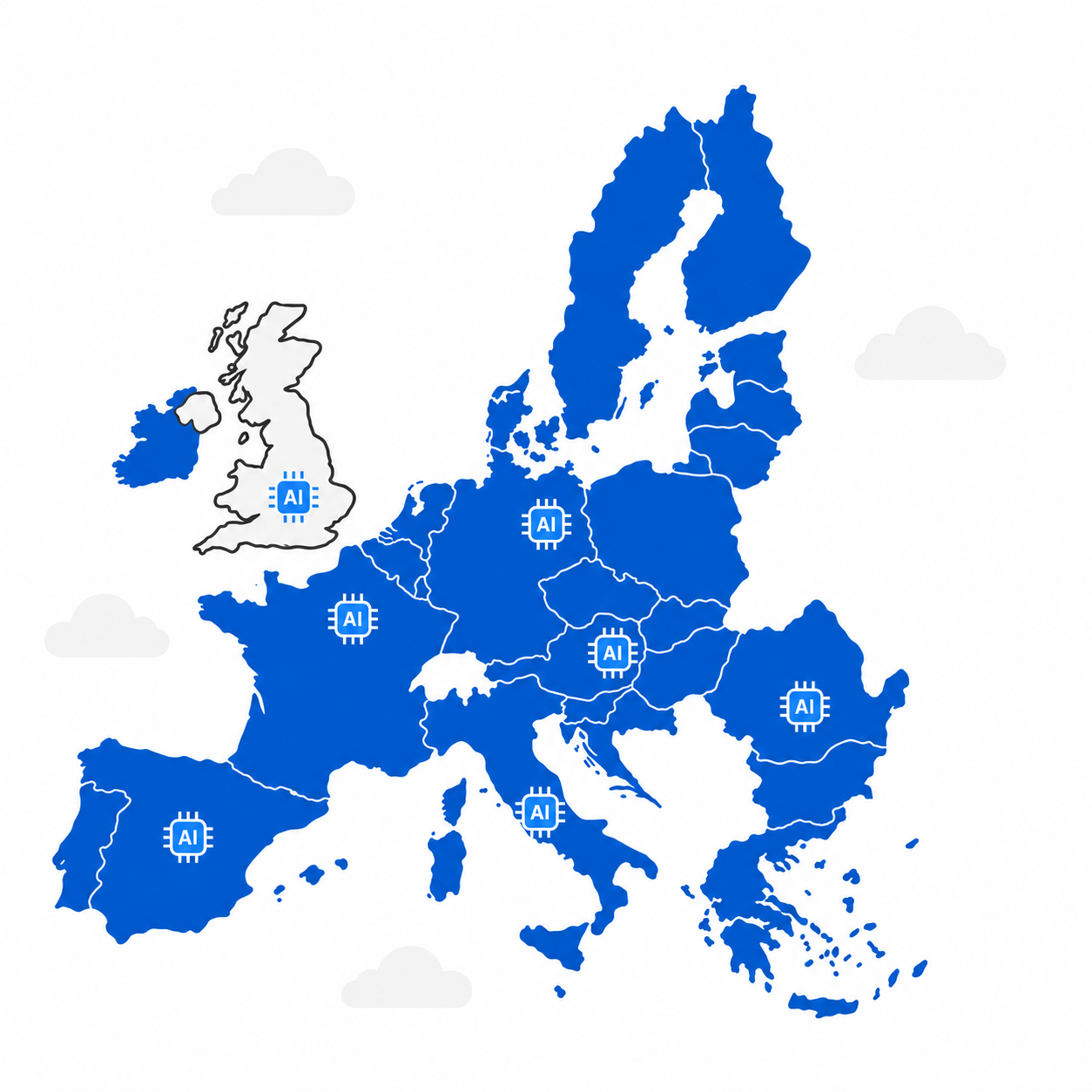
International cybersecurity standards are stepping up. The EU AI Act arrives in force. The UK aligns parts of it. US federal agencies push identity governance deeper into their frameworks. Boards start asking about AI agent access reviews. Regulators start paying attention to forgotten service accounts.
Anything manual will be considered inadequate. The industry shifts towards automated access governance, continuous reviews, and auditable decision-making.
8. Ransomware Evolves Into Identity Extortion
Encrypting laptops is old news.
Hijacking cloud access tokens and console sessions is tidy, fast, and profitable.
2026’s attackers won’t waste time detonating malware if they can simply take over an admin session and threaten to leak customer data by teatime.
We’ll see the rise of token theft, session replay, SaaS impersonation, and MFA-resistant compromise. Again, broken access control sits at the root of it.
9. Insider Threat Becomes Mostly Accidental (Though it Always Was)
Not malicious employees, just messy identities.
Over-privileged contractors, abandoned OAuth apps, compromised agent workflows, and old service accounts doing unexpected things will account for many “insider incidents” next year.
Security teams will need better visibility into who (or what) is doing what, when, and why.
10. Identity Orchestration Replaces the Dream of Centralized IAM
Enterprises finally accept that identity will never again live neatly in one place. Contrary to the Active Directory model of the past decade, with multi-cloud, SaaS, AI automation, and federated business units, identity becomes distributed by design.
In 2026, the winning strategy will be orchestrating identities:
local visibility within all platforms,
deep control that limits every identity’s privileges,
continuous monitoring everywhere.
Cloud infrastructure entitlement management (CIEM) steps up as the layer that ties it all together.
Crazy Days
Cybersecurity 2026 isn’t about another shiny control plane or the next generation of Zero Trust acronyms. It’s about admitting that identity is the foundation, and the failure point, of almost everything we defend.
If you tackle access, entitlement sprawl, machine identity chaos, and session-level risk, you’re ahead of the curve. If not, well… attackers are very grateful for the opportunity.